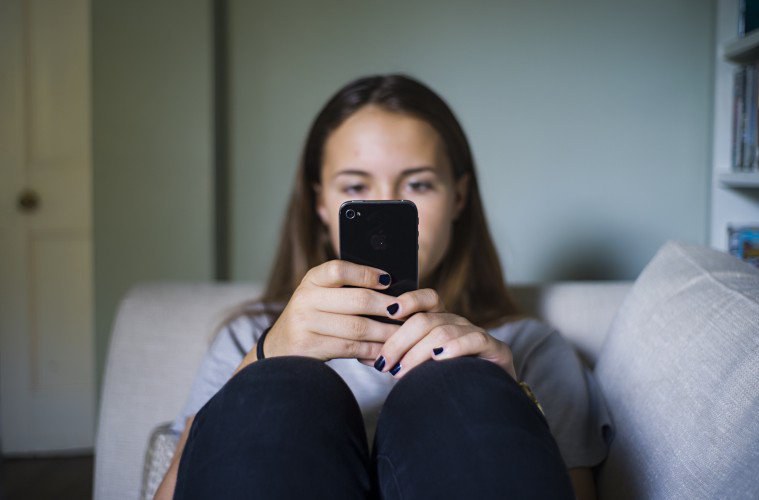
1. Social networks help the businesses in a variety of ways. Traditional marketing mediums such as the radio, TV commercials and print ads are completely obsolete now and demand for thousands of dollars. However, with social media the businesses can connect with their targeted customers for free, the only cost is energy and time. Through Facebook, Twitter, LinkedIn or any other social site you can lower your marketing cost to a significant level.
2. The increasing popularity of social sites like Twitter, Facebook and LinkedIn, social networks has gained attention as the most viable communication choice for the bloggers, article writers and content creators.
3. These social networking sites have opened the opportunity for all the writers and bloggers to connect with their tech savvy clients to share your expertise and articles. Your audience will further share your articles, blog or expertise in their social circle which further enhance your networks of the followers.
4. Social networks have removed all the communication and interaction barriers, and now one can communicate his/her perception and thoughts over a variety of topics. Students and experts are able to share and communicate with like-minded people and can ask for the input and opinion on a particular topic.
5. Another positive impact of social networking sites is to unite people on a huge platform for the achievement of some specific objective. This is very important to bring the positive change in society.
Negative Effects of Social Media:
1. One of the negative effect of social media or network is it leads to addiction. Spending countless hours on the social sites can divert the focus and attention from a particular task. It lowers the motivational level of the people, especially of the teenagers and students. They mainly rely on technology and the internet instead of learning the practical knowledge and expertise of the everyday life.
2. Kids can be greatly affected by these social networking sites if they are allowed to use them. The reason is that sometimes people share photos on social media that contains violence and sex, which can damage the behavior of kids and teenagers. It put the negative impact on overall society as these kids and teenagers involve themselves in crime related activities.
3. Another downside of the social media is that the user shares too much information which may pose threats to them. Even with the tight security settings your personal information may leak on the social sites. Downloading your videos or pictures and copying your status is an easy task and can be done within few click.
Unfortunately, there are some downsides of this technology. Like the way it has allowed us to hide behind screens and limited our face-to-face social interaction. Many introverts and socially reclusive users place too much emphasis on virtual interaction. You get the feeling of being social without having to go out and socialize. In the same vein, it gives you the feeling of being a friend (or friends) without having to put any actual effort to build the relationship. Just think of how many people you have on your Facebook friends list. How many of them do you see on a semi-regular basis? Or, at all?
Then we have the issue of how it has taken over our lives. It irks me being out in public and seeing people on their phones. Seeing them talking never bothered me as long as they weren’t being insufferable. Nor does sending off a quick text bug me; maybe they’re meeting someone and telling them where they are. Or something. It is the obvious Facebooking or Instagramming or whatever else that keeps people’s eyes glued to their phone.
Checking social media when people are out doing something, whether it is grocery shopping or getting dinner with friends, shows a serious problem with distraction and addiction in today’s society. We can’t enjoy the world around us for an hour without retreating back into that safe little digital contraption.
Productivity is pretty much shot, thanks to social media as well. Admit it. You scroll down your profiles or find yourself wandering off to YouTube during work hours. Here is a fun little game: every time you get distracted by a social media site, make a little strike on a piece of paper. At the end of the day, count all the strikes and feel your heart drop into your gut as you try to estimate how much time you’ve wasted it represents.
Some of what social media has done isn’t just ‘bad’, it’s flat out ugly. Like the number of relationships that have been broken up over social networks. Now, don’t get me wrong, I’m not saying social media platforms are to blame for this. They are just a tool that seemingly makes it easier to cheat, or to do things that cross a boundary in a relationship. Like flirty PM’s with that high school crush you haven’t seen since graduation. Or, much more blatant infidelities that are sure to be caught the first time you forget to log out of the computer you share with your spouse.
Then there are the sheer number of stupid, vain people on Facebook. Check out our article on the annoying things annoying people do on Facebook. Yeah, it seems a little mean to point out. But I bet you’re thinking of a least one person who would fit into one (or both) of these categories.
Each status message or post is an outright attention-seeking sob fest, usually vague. Or, way too much information about their struggling relationship with someone they should have dumped six months ago. Let’s not forget the badly spelled, grammatical nightmares that you would need a magic decoder that translated moron into English to read. This same attention-seeking tendency of such people can come to haunt them back. Their revelation of personal information can make them vulnerable to crimes like identity theft, stalking, etc.
What’s more, the growing instances of cyber bullying and online harassment. If you’re not careful, unscrupulous people can target you for cyber bullying and shaming on social sites. Youngsters and women, especially, fall prey to online attacks that can create tension and distress. If you’re a victim, don’t take it lying down, but try to take appropriate legal action against your attact.
THE IMPACT OF SOCIAL MEDIA IN SOCIETY
The growing popularity of social media networks and applications has had many positive and negative implications for society.
Social media has revolutionized the way we view ourselves, the way we see others and the way we interact with the world around us. While social media has many positive implications, including promoting awareness of specific causes, advertising businesses and helping foster friendships between individuals who may have never met without social networking, the over-usage of social media networks can also lead to negative implications.
While there are countless exciting improvements in technology and social media have greatly increased communication across cultures and positively brought attention to events around the world, it is imperative that we examine the negative implications that social media usage has had on the human experience.
The overuse of social media is a global problem impacting all generations, and research has shown that substantial internet usage can have a highly negative impact on our mental and emotional health.
As the popularity of social media sites continuously grows, networks such as Twitter, Facebook, and Instagram continue to evolve. Three positive implications of social media include advertising, networking, and self-expression.
From an advertising perspective, social media offers a great outlet for charities, businesses, and individuals to promote themselves. Social media can be used as an outlet for global organizations to bring awareness to the causes they support and spread positive news that traditional media often doesn't cover. In addition to making advertisements more accessible through social media, these networks have helped foster relationships and connect people around the world.
Social media also allows for self-expression and can serve as a creative outlet for individuals to express themselves, share their artwork and share their voice on specific topics. Being able to express yourself in a healthy way is a very important part of the human experience, and social media can be a great outlet for young adults.
An additional benefit to social media includes following inspirational social media accounts, such as fitness or health inspired Instagram accounts, which can be motivational to followers.
It is up to us to decide how we view social media and how we allow social networking to either benefit or harm our lives. It is imperative to remember that the genuine human experience of being able to communicate in person, network in person and form relationships with others outweighs social media. It is also important to remember that the number of likes or shares you receive does not define who you are or your self-worth.
The more educated I become and the less time I spend on social media, the more I realize that there is a lot more to life than sitting behind a screen all day long.

 A healthy or unhealthy lifestyle will most likely be transmitted across generations. According to the study done by Case et al. (2002), when a 0-3 year old child has a mother who practices a healthy lifestyle, this child will be 27% more likely to become healthy and adopt the same lifestyle.For instance, high income parents are more likely to eat organic food, have time to exercise, and provide the best living condition to their children. On the other hand, low income parents are more likely to participate in unhealthy activities such as smoking to help them release poverty-related stress and depression. Parents are the first teacher for every child. Everything that parents do will be very likely transferred to their children through the learning process.Adults may be drawn together by mutual interest that results in a lifestyle. For example, William Dufty described how pursuing a sugar-free diet led to such associations.
 Behaviours such as diet, how much exercise we do, and consuming tobacco, alcohol or drugs play a major role in influencing health, wellbeing and the risk of chronic diseases. Understanding what drives these choices and how they affect health are key challenges to society, as are developing effective ways to modify the behaviours of diverse social, cultural and economic populations.
 A healthy lifestyle should be like a healthy diet -- well-balanced. Practicing only one or two aspects of healthy living is, of course, better than practicing none at all, but neglecting other areas can eventually lead to health problems. A healthy lifestyle should include a nutritious diet, exercise for your body and your brain, rest, a supportive social network, avoidance of risky behaviors and the practice of healthy ones.